
Grease Trap Cleaning
Murfreesboro, TN
and surrounding communities
Grease trap cleaning helps maintain a commercial kitchen’s wastewater system. Count on our local network of professionals providing grease trap cleaning in Murfreesboro, TN, and surrounding Rutherford County communities.
Whether you operate a restaurant, cafeteria, bakery, church kitchen, or another food-service property, scheduled maintenance can help keep wastewater moving and reduce avoidable interruptions.
Head over to our other service pages if you need related assistance, including hydro jetting, septic tank pumping, septic tank repair, septic drain field services, or sump pump services.
What Is Grease Trap Cleaning?
A grease trap or grease interceptor slows kitchen wastewater so fats, oils, and grease can separate from the water. Lighter material rises toward the top, while heavier food solids settle near the bottom. The remaining liquid then continues into the sewer or septic system.
The device does not eliminate what it captures. As available space decreases, grease and solids may move farther into the plumbing or interfere with flow.
Service generally involves removing the contents and clearing buildup from accessible surfaces. It may also reveal damaged lids, worn gaskets, corrosion, missing components, or unusual liquid levels.
What Happens During Grease Trap Service?
The process depends on whether the property has a small indoor trap, a larger outdoor interceptor, or multiple units.
Locating and Accessing the Unit
The service provider identifies the trap or interceptor and opens the appropriate access points. Indoor units may be beneath a sink or near a dishwashing area, while larger interceptors are often installed outside.
Stored products, vehicles, locked gates, or equipment placed over the lids can make the unit more difficult to reach.
Removing Grease and Waste
Vacuum equipment may be used to remove liquid, floating grease, sludge, and food solids. Smaller indoor devices may require a different method based on their design and location.
The goal is to remove the full contents. Leaving compacted material behind reduces capacity and may allow problems to return sooner.
Cleaning and Checking the System
Accessible walls, baffles, tees, and other interior areas may be cleaned to loosen remaining deposits. Before the covers are secured, the professional may also look for visible damage, corrosion, missing parts, or poor flow.
If the unit is connected to slow or repeatedly clogged kitchen lines, hydro jetting or another drain service may be recommended separately.
How Often Should You Clean a Grease Trap?
There is no single schedule that is appropriate for every commercial kitchen. A small operation with limited food preparation may accumulate material more slowly than a busy restaurant that fries food throughout the day.
Factors that may affect the service interval include:
- Trap or interceptor capacity
- Type and volume of food prepared
- Daily customer traffic
- Number of connected fixtures
- Operating hours
- Food solids entering the drains
- Previous grease measurements
- Local wastewater requirements
- History of odors, slow drains, or backups
Many businesses arrange service every one to three months, but the right frequency should reflect actual accumulation and applicable requirements. Service records can help establish a dependable schedule.
Grease Trap Pumping
vs.
Grease Trap Cleaning
The terms pumping and cleaning are sometimes used interchangeably, but they may describe different levels of service.
Pumping generally refers to removing liquid and accumulated waste with vacuum equipment. Cleaning may describe a more complete process that also addresses compacted grease and food solids attached to accessible interior surfaces.
Removing only the liquid may leave behind material that reduces capacity and causes the trap to fill again sooner.
What Affects the Cost of Grease Trap Cleaning?
Pricing can vary depending on the size, condition, and accessibility of the system.
Common cost factors include:
- Trap or interceptor capacity
- Indoor or outdoor location
- Number of access covers
- Depth of buried lids
- Distance from the service truck
- Amount and condition of accumulated waste
- Number of units on the property
- Access through gates, alleys, or loading areas
- Emergency or after-hours scheduling
- Drain cleaning or repairs requested with the appointment
Accurate property details can help the provider prepare the proper equipment and explain the quote.
Don't Let Grease Disrupt Your Kitchen
If your trap is due for maintenance or the drains show signs of blockage, call 615-603-7839 or use the contact form. Early attention can help reduce odors, backups, and operating interruptions.
Protecting Your System After Service
Kitchen practices influence how quickly a trap fills. Staff should scrape food into the trash and avoid pouring fryer oil or large amounts of grease into drains.
Collect used cooking oil separately, and use sink strainers to keep food particles out of the plumbing.
Hot water, detergents, and additives do not replace pumping. They may move grease farther into the line.
Indoor Grease Traps and Outdoor Interceptors
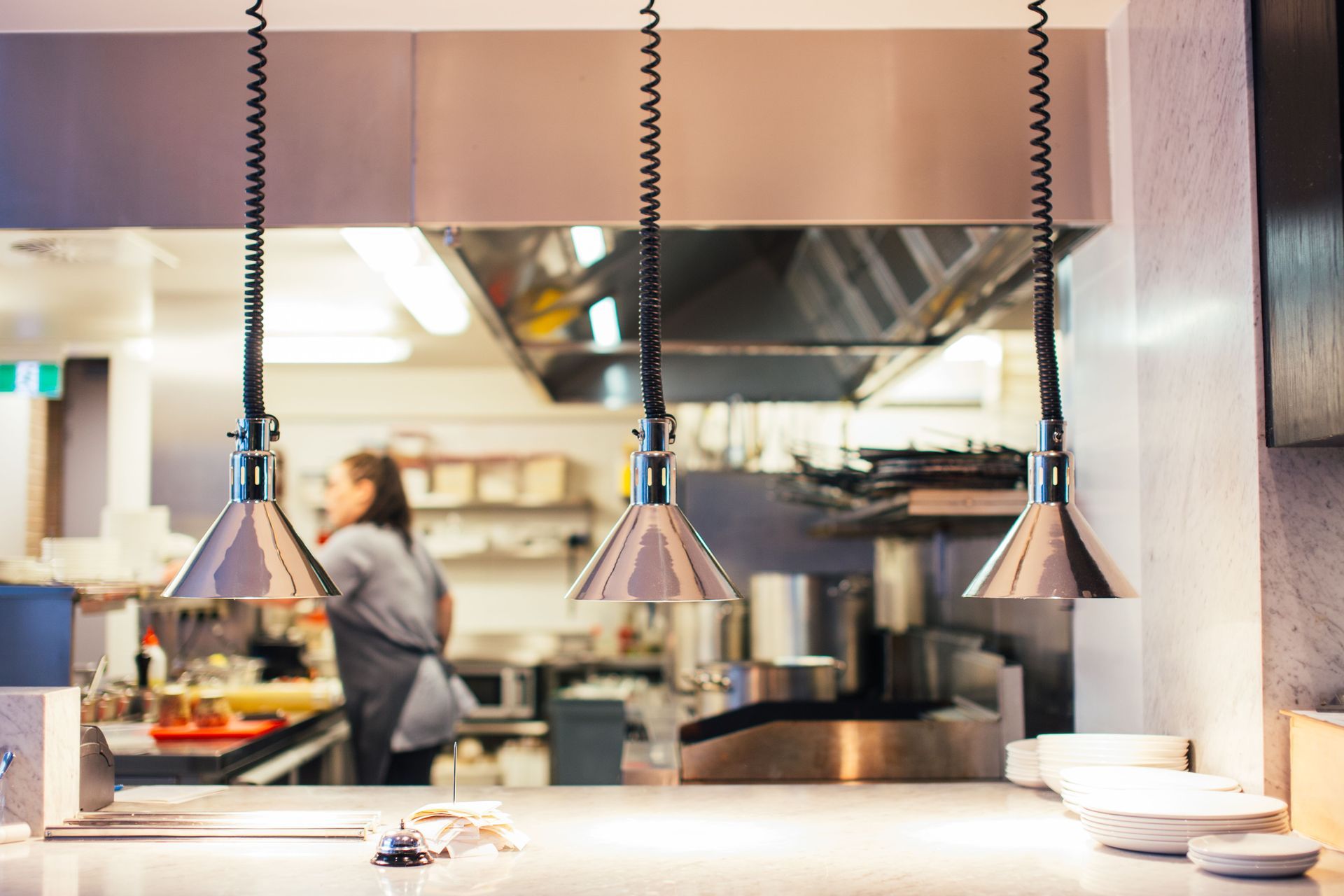
Smaller units are often installed near sinks or dishwashing areas. Their limited capacity may require frequent attention.
Because they are indoors, odors or overflow can quickly affect employees and customers.

Larger interceptors are commonly installed underground outside and may serve several kitchen fixtures.
High-volume restaurants, cafeterias, event venues, and schools can still fill a larger interceptor quickly.
Routine vs. Emergency Grease Trap Cleaning
Routine service is arranged before the unit becomes overloaded, giving the business more control over timing and reducing disruption.
Emergency service may be requested after wastewater drains slowly, odors become severe, grease escapes around a lid, or a kitchen drain backs up.
An urgent pump-out may lower the waste level, but a blocked line, damaged baffle, collapsed pipe, or downstream buildup may require separate work.
Problems That May Be Found During Cleaning
The appointment may reveal visible issues or unusual conditions.
Potential concerns may include:
- Damaged or unsecured covers
- Deteriorated gaskets
- Missing or broken baffles
- Corrosion, cracks, or leaks
- Heavy compacted solids
- Poor flow at the inlet or outlet
- Grease entering downstream piping
- Evidence of an undersized interceptor
- Unsafe or obstructed access
Some concerns may be corrected with a component repair, while others may require plumbing work, excavation, or replacement.
What Grease Trap Cleaning Cannot Fix
Cleaning is not a complete solution for every kitchen drainage problem.
A standard appointment will not permanently correct:
- A collapsed or separated drain line
- Severe buildup farther inside the sewer piping
- A damaged or incorrectly installed interceptor
- Broken inlet or outlet components
- Chronic grease disposal through kitchen drains
- A unit that is too small for the operation
- Structural damage to the tank
- An overloaded or failing septic system
Recurring symptoms usually require further evaluation. Describe all warning signs when requesting service instead of assuming the unit is simply full.
Grease Trap Cleaning in the Murfreesboro Area
Request commercial grease trap cleaning throughout Murfreesboro, Smyrna, La Vergne, Christiana, Lascassas, Rockvale, Eagleville, and surrounding communities across Rutherford County.
Whether you need scheduled restaurant grease trap pumping, service for an outdoor interceptor, or help with odors and slow kitchen drains, call 615-603-7839 or submit the contact form to discuss your needs.