Hydro Jetting Murfreesboro, TN
and surrounding communities
Hydro jetting can remove stubborn material from drain and sewer lines when ordinary clearing methods are not enough.
Count on our local network of professionals providing hydro jetting in Murfreesboro, TN, and surrounding Rutherford County communities. Whether you are dealing with recurring clogs, grease accumulation, or a sewer line that repeatedly needs attention, a professional evaluation can help determine whether high-pressure cleaning is appropriate.
Head over to our other service pages if you need related assistance, including sump pump services.
What Is Hydro Jetting?
Hydro jetting is a drain and sewer cleaning method that uses pressurized water to break apart and flush away material inside a pipe. A specialized hose and nozzle are inserted through an accessible cleanout or another suitable opening.
Unlike methods that create a narrow path through an obstruction, water jetting may clean a larger portion of the pipe’s interior surface. It can be useful for removing grease, soap residue, sludge, sediment, and other buildup that has collected over time.
The service is commonly requested for commercial kitchen lines, residential sewer pipes, and other drainage systems affected by recurring blockages. However, it is not appropriate for every pipe. The condition and material of the line should be considered before high-pressure equipment is used.
What Happens During Hydro Jetting Service?
The exact process depends on the location of the blockage, pipe access, line condition, and type of material inside the system.
Reviewing the Drain Problem
The service provider may ask which fixtures are draining slowly, how often the problem returns, and whether previous drain clearing has provided only temporary relief.
Widespread drainage problems may point to an obstruction in a main sewer line, while trouble isolated to one fixture may involve a smaller branch pipe. Details about grease use, tree roots, unusual sounds, wastewater odors, and recent backups can help identify the likely source.
Accessing and Evaluating the Line
The professional identifies an appropriate access point, such as a sewer cleanout. Pipe location, diameter, material, age, and condition may affect how the service is performed.
A sewer camera inspection may be recommended before cleaning, particularly when there are concerns about older pipes, structural damage, severe root intrusion, or an unknown obstruction. Inspection can help determine whether the line appears suitable for pressurized cleaning.
Cleaning the Pipe
A jetting hose is inserted into the drainage line. Water released through the nozzle helps move the equipment through the pipe while breaking apart buildup and directing loosened material toward an appropriate exit point.
The nozzle and pressure used may vary based on the pipe and obstruction. Grease deposits, sludge, scale, food residue, and other accumulated material may require different cleaning approaches.
Checking Drainage Flow
After cleaning, water flow may be tested to determine whether the line is draining more freely. A follow-up camera inspection may also be suggested to check for material that remains or visible pipe concerns.
If problems continue, the cause may involve a damaged, collapsed, separated, or improperly installed line rather than removable buildup.
When Should You Consider Hydro Jetting?
High-pressure sewer cleaning may be considered when drain problems repeatedly return after basic clearing.
Possible warning signs include:
- Several drains emptying slowly
- Recurring kitchen or floor-drain clogs
- Water backing up through lower fixtures
- Gurgling sounds from toilets or drains
- Persistent wastewater odors
- Grease buildup in commercial kitchen lines
- Frequent need for drain snaking
- Sludge or sediment inside the piping
- Reduced flow through a main sewer line
- Blockages that affect business operations
- Drain trouble that returns soon after service
These symptoms do not automatically mean the line needs jetting. Similar problems may be caused by a full septic tank, failing drain field, broken sewer pipe, clogged grease trap, damaged plumbing fixture, or another wastewater issue.
Hydro Jetting
vs.
Drain Snaking
Drain snaking and hydro jetting are both used to address clogged pipes, but they work differently.
A drain snake uses a rotating cable or cutting attachment to break through or retrieve an obstruction. It can be effective for certain localized clogs, including material located near a fixture or within a smaller line.
Hydro jetting uses water to loosen buildup and flush material through the drainage system. It may provide a more thorough cleaning when grease, sludge, soap residue, or other deposits coat the pipe walls.
The best option depends on the obstruction and condition of the plumbing. A snake may be more appropriate for a simple clog or fragile line, while jetting may be considered for recurring buildup in piping that can safely withstand the process.
What Affects the Cost of Hydro Jetting?
Pricing can vary depending on the property, access, and complexity of the drainage problem.
Common cost factors include:
- Residential or commercial property
- Location of the blockage
- Length and diameter of the line
- Amount and type of buildup
- Accessibility of the sewer cleanout
- Number of lines requiring service
- Pipe material, age, and condition
- Camera inspection requirements
- Root cutting or specialized nozzles
- Grease accumulation
- Emergency or after-hours scheduling
- Additional repairs identified during service
Providing accurate details about the symptoms, affected fixtures, previous cleaning attempts, and septic or sewer setup can help the provider understand the likely scope of the appointment.
Don't Let A Clogged Line Disrupt Your Property
If your drains repeatedly slow down or wastewater is beginning to back up, call 615-603-7839 or use the contact form. Prompt service may help restore drainage before the obstruction creates a larger interruption.
Protecting Your Drains After Service
Responsible plumbing use can help reduce how quickly buildup returns. Cooking grease, oil, coffee grounds, wipes, paper towels, hygiene products, and other inappropriate materials should not enter sinks or toilets.
Commercial kitchens should scrape food into the trash, use drain strainers, collect fryer oil separately, and maintain grease traps or interceptors on an appropriate schedule.
Property owners should also address plumbing leaks and avoid assuming that chemical drain cleaners are a substitute for professional service. Harsh products may not remove the full obstruction and can create additional concerns for certain plumbing or septic systems.
If roots, damaged pipes, poor slope, or structural problems contributed to the blockage, cleaning alone may not prevent it from returning. Recommended repairs should be considered separately.
Residential and Commercial Hydro Jetting
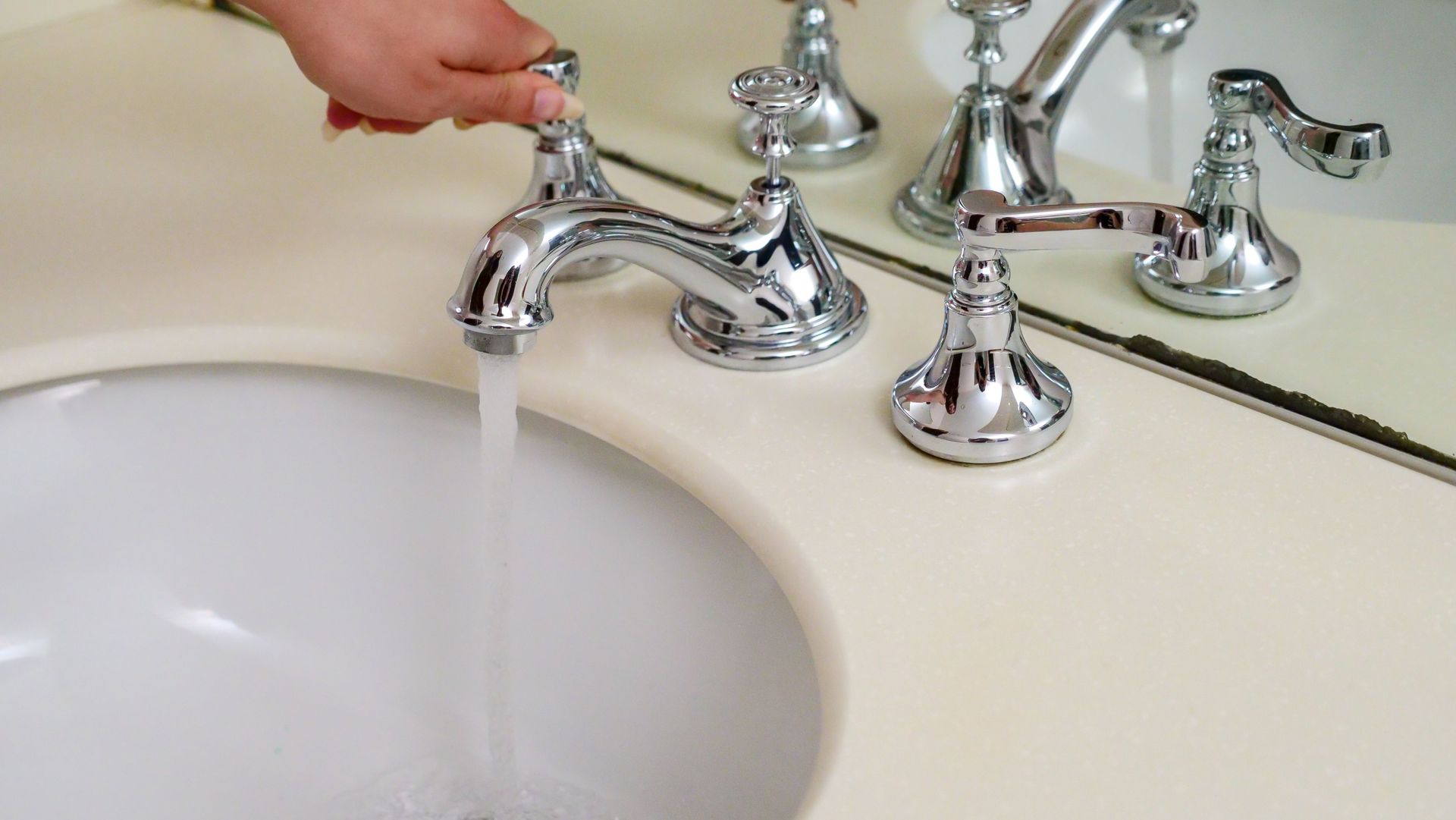
Residential jetting may be requested for main sewer lines, kitchen drains, laundry lines, floor drains, and other piping affected by stubborn buildup.
Homes with recurring clogs may have grease, soap residue, sediment, roots, or material collecting inside the line. Older properties may require additional evaluation to determine whether the piping is in suitable condition for high-pressure cleaning.
Homeowners should describe all affected fixtures when requesting service. A problem involving several drains may require a different approach than a blockage affecting only one sink or shower.
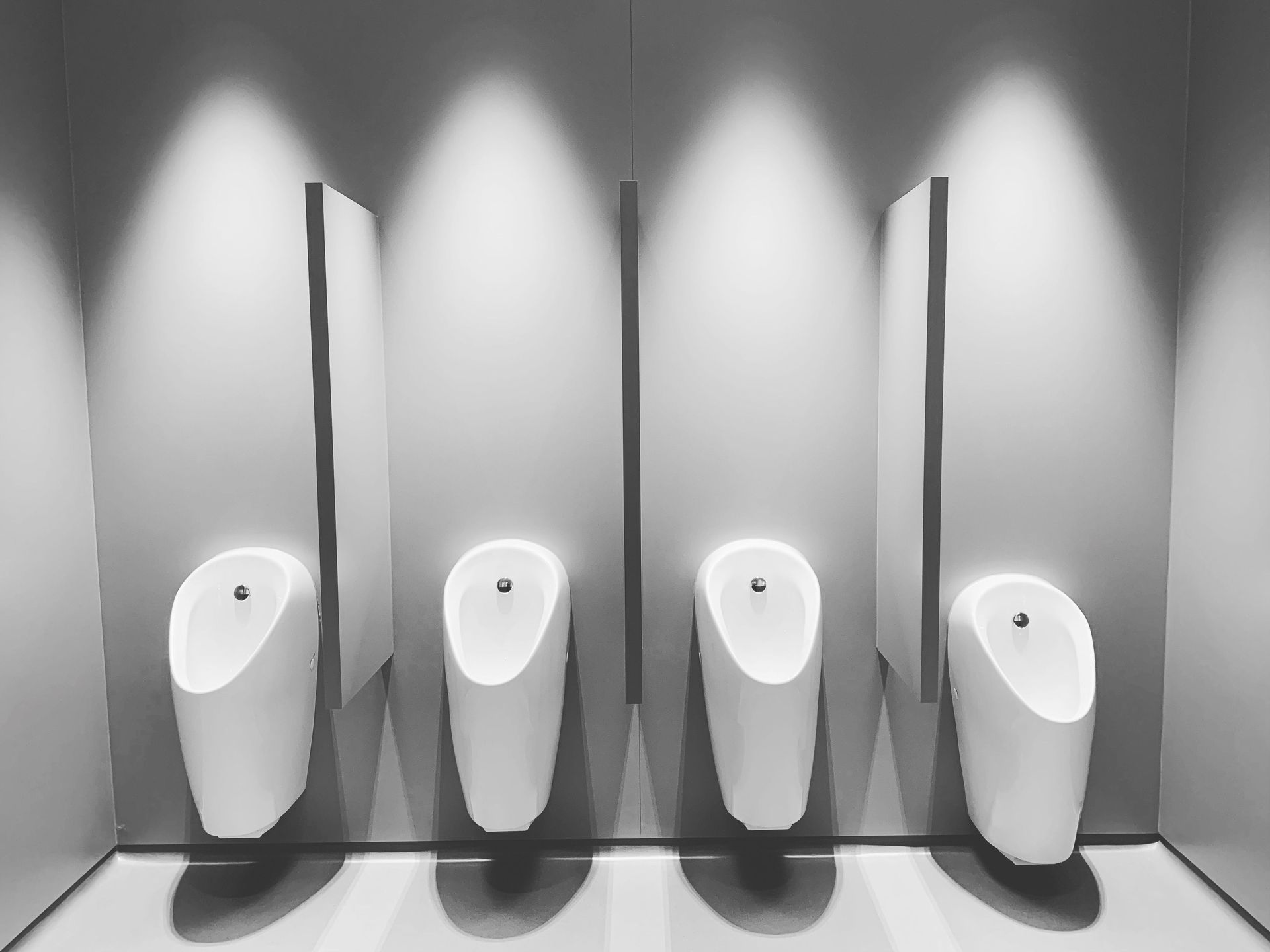
Restaurants, cafeterias, bakeries, apartment buildings, offices, churches, schools, and other commercial properties may experience heavier or less predictable drainage demands.
Food-service lines are especially vulnerable to fats, oils, grease, food particles, and cleaning residue. Scheduled commercial drain cleaning may help reduce disruptive blockages, but it does not replace routine grease trap maintenance.
A backup can interrupt operations, affect customers, and create sanitation concerns. Information about the building, affected line, operating schedule, and previous problems can help determine the most appropriate service.
Routine vs. Emergency Hydro Jetting
Routine service may be arranged when a property has a history of grease accumulation or recurring drainage restrictions. Scheduling the work before flow stops completely can provide more control over timing and may reduce business interruptions.
Emergency service may be requested when wastewater backs up, toilets overflow, floor drains rise, or an important commercial line stops draining.
Jetting may restore flow when removable buildup is causing the problem. However, urgent symptoms should not automatically be blamed on an ordinary clog. A full septic tank, damaged sewer line, failed pump, overloaded grease interceptor, or drain field problem may require another service.
Problems That May Be Found During Service
Evaluation or camera inspection may reveal conditions beyond ordinary buildup.
Potential concerns may include:
- Heavy grease deposits
- Root intrusion
- Cracks or pipe deterioration
- Separated pipe connections
- Low areas that hold wastewater
- Collapsed or crushed sections
- Corrosion or scaling
- Foreign objects
- Improper pipe slope
- Restricted septic inlet or outlet piping
- Buildup returning from an overloaded grease trap
- Limited or inaccessible cleanouts
Some concerns may be addressed through cleaning, while others require pipe repair, excavation, component replacement, septic service, or additional plumbing work.
What Hydro Jetting Cannot Fix
High-pressure cleaning is not a permanent solution for every sewer or drainage problem.
A standard service will not correct:
- A collapsed or severely damaged pipe
- A separated sewer line
- Major corrosion or structural deterioration
- Incorrect pipe slope
- A line that is too small for the property
- A full septic tank
- A saturated or failed drain field
- A broken septic pump
- Structural damage to a grease interceptor
- Repeated disposal of grease or inappropriate materials
- A blockage caused by an object that cannot be safely flushed
- Water intrusion from foundation or exterior drainage problems
Jetting may temporarily improve flow through a damaged line, but the obstruction can return when the underlying defect remains. Recurring problems should be evaluated rather than repeatedly treated as ordinary clogs.
The service may also be unsuitable for piping that is fragile, deteriorated, or unable to tolerate the required pressure. Inspection can help identify when a different cleaning or repair method should be considered.
Hydro Jetting in the Murfreesboro Area
Request residential and commercial hydro jetting throughout Murfreesboro, Smyrna, La Vergne, Christiana, Lascassas, Rockvale, Eagleville, and surrounding communities across Rutherford County.
Whether you need help with a recurring sewer blockage, grease-filled kitchen line, slow commercial drain, or possible main-line obstruction, call 615-603-7839 or submit the contact form to discuss your service needs.