
Sump Pump Service Murfreesboro, TN
and surrounding communities
A dependable sump pump helps move groundwater away from basements, crawl spaces, utility rooms, and other low areas. When the equipment fails, water may collect quickly during heavy rain, rising groundwater, or drainage problems around the foundation.
Our team helps homeowners, property managers, and businesses connect with local professionals providing basement pump installation, repair, and replacement in Murfreesboro, TN, and nearby Rutherford County communities. Whether the unit will not start, runs constantly, makes unusual noises, or cannot keep up with incoming water, an evaluation can help identify the right solution.
Visit our other pages for information about septic tank pumping, septic tank repair, septic drain field services, grease trap cleaning, and hydro jetting.
What Is Sump Pump Service?
A sump pump is commonly installed inside a basin at the lowest part of a basement, crawl space, or drainage area. Water enters the basin through foundation drains or natural groundwater movement. Once it reaches a set level, a float activates the pump and sends the water outside through a discharge pipe.
Water pump work may include installing a new unit, diagnosing an existing setup, replacing worn components, clearing an obstruction, correcting a float problem, or upgrading unreliable equipment.
A groundwater pump is different from a sewage ejector pump. A sump unit moves relatively clear groundwater, while an ejector pump handles wastewater from plumbing fixtures below the main sewer or septic line.
What Happens During an Appointment?
The process depends on the equipment, basin location, and symptoms being reported. Most appointments involve several general steps.
Reviewing the Water Problem
The professional may ask when water collects, whether the issue follows heavy rain, how often the unit activates, and whether flooding has occurred before.
Recent outages, unusual sounds, or drainage changes can help narrow down the cause.
Inspecting the Pump and Basin
The pump, basin, lid, float switch, check valve, power connection, and visible discharge piping may be examined. Debris, sediment, corrosion, or a jammed float can interfere with normal operation.
A basin that remains full may indicate failed equipment or a blocked outlet. Frequent cycling may point to an incorrect float setting, check-valve problem, small basin, or unusually high water inflow.
Testing Operation and Discharge
When conditions allow, water may be added to confirm whether the float activates the unit and whether water exits through the discharge line. Grinding, rattling, vibration, or weak flow may indicate worn parts or an obstruction.
The exterior outlet should direct water away from the foundation. A frozen, crushed, disconnected, or clogged pipe can prevent proper discharge.
Explaining the Options
After the inspection, the professional can explain whether a focused fix is practical or replacement would provide a more reliable result.
Recommendations may include a new switch, check valve, discharge correction, primary pump, alarm, or battery backup.
How Do You Know If You Need a Repair?
Many units show warning signs before they stop working completely.
Possible signs include:
- Water collecting around the basin
- A pump that does not activate
- Constant or rapid cycling
- Grinding, humming, or rattling
- Excessive vibration
- Rust or corrosion
- A stuck float switch
- Water returning after shutdown
- Weak discharge flow
- Dampness or musty odors
- Tripped breakers
- Flooding after storms or outages
- Repeated alarm activation
These symptoms may involve the pump, switch, power supply, check valve, basin, discharge route, or exterior drainage.
Sump Pump Repair
vs.
Sump Pump Replacement
Repair usually targets a specific part preventing an otherwise usable system from working correctly. Examples include freeing a stuck float, replacing a switch, installing a check valve, securing a pipe, or clearing an accessible blockage.
Replacement may make more sense when the motor has failed, the housing is badly corroded, the unit is unreliable, or the equipment cannot manage the amount of incoming water. An upgrade may also be considered when the property needs an alarm or backup power option.
Not every water problem requires a new unit. However, repeatedly fixing equipment that cannot perform reliably may leave the property vulnerable during the next major storm.
What Affects the Cost of Services?
Pricing depends on whether the job involves a small fix, direct replacement, new installation, or broader drainage work.
Common cost factors include:
- Pump type and capacity
- Pedestal or submersible design
- Basin condition and accessibility
- Float switch or check-valve replacement
- Discharge pipe condition
- Electrical work
- Battery backup or alarm installation
- Exterior excavation
- Emergency scheduling
- Residential or commercial use
- Removal of old equipment
Providing details about the equipment, location, water level, and recent weather can help clarify the likely scope of the job.
Don't Wait Until the Next Storm
A pump that works inconsistently may fail when water is entering the basin fastest. Call 615-603-7839 or use the contact form to request help with installation, repair, replacement, a blocked discharge line, or backup protection.
Protecting Your Property After Repair
The basin should remain accessible, the float should move freely, and the lid should stay secure. Stored belongings should not block access to the equipment.
Check the exterior outlet periodically. Water should move away from the foundation instead of collecting beside the building or flowing back toward the pit. Leaves, soil, ice, and landscaping changes can interfere with drainage.
Properties that frequently lose electricity may benefit from a battery backup or secondary unit. An alarm can also warn occupants when water rises above the normal operating range.
Residential and Commercial Sump Pump Services
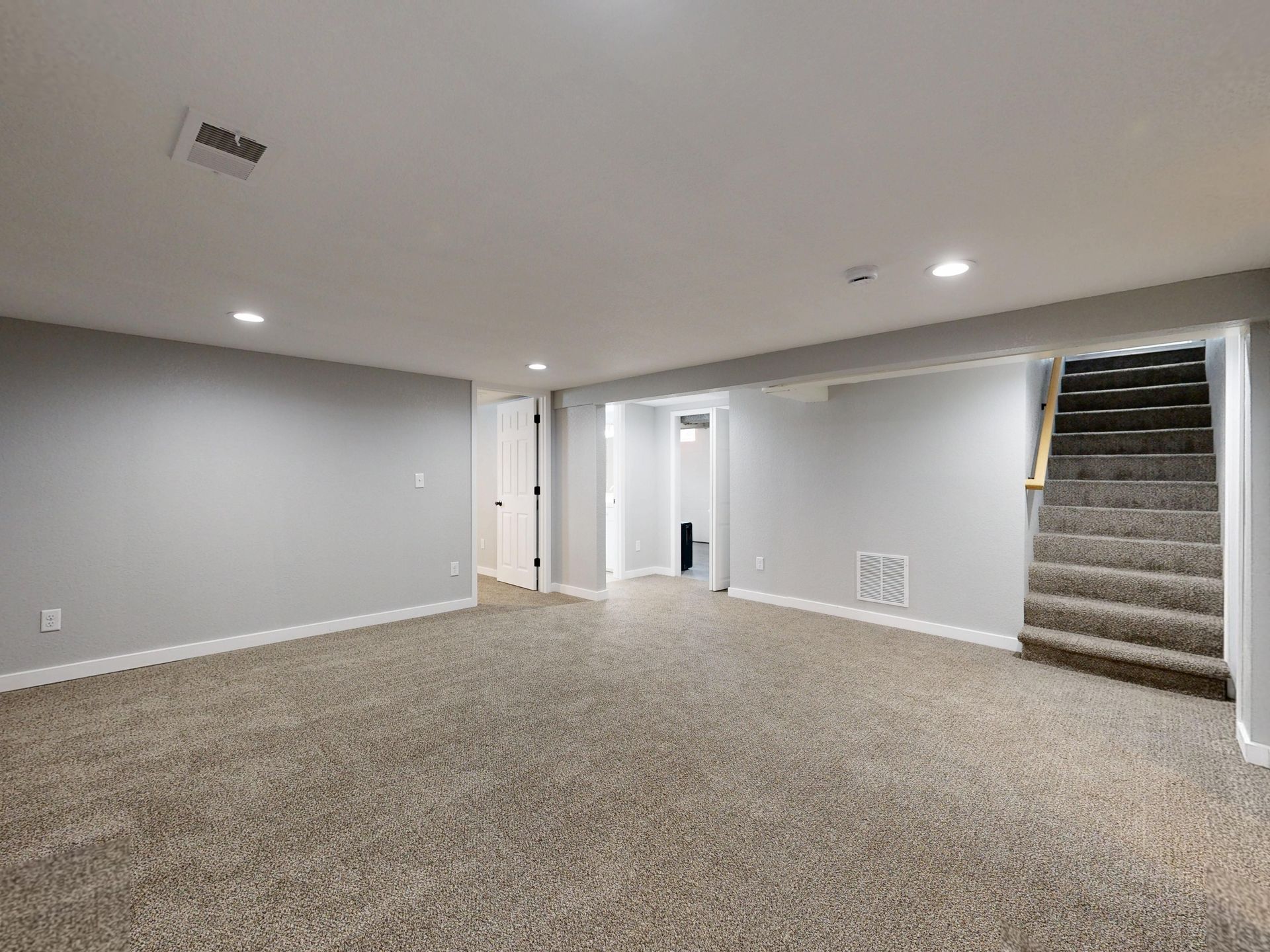
Residential pumps may protect basements, crawl spaces, garages, utility rooms, and other low areas. Heavy rainfall, grading problems, foundation drains, and seasonal groundwater changes can increase the amount of water entering a basin.
Homeowners should pay attention to dampness, musty smells, stains, recurring puddles, or equipment that sounds different than usual. Early attention may help limit damage to flooring, walls, insulation, and stored belongings.
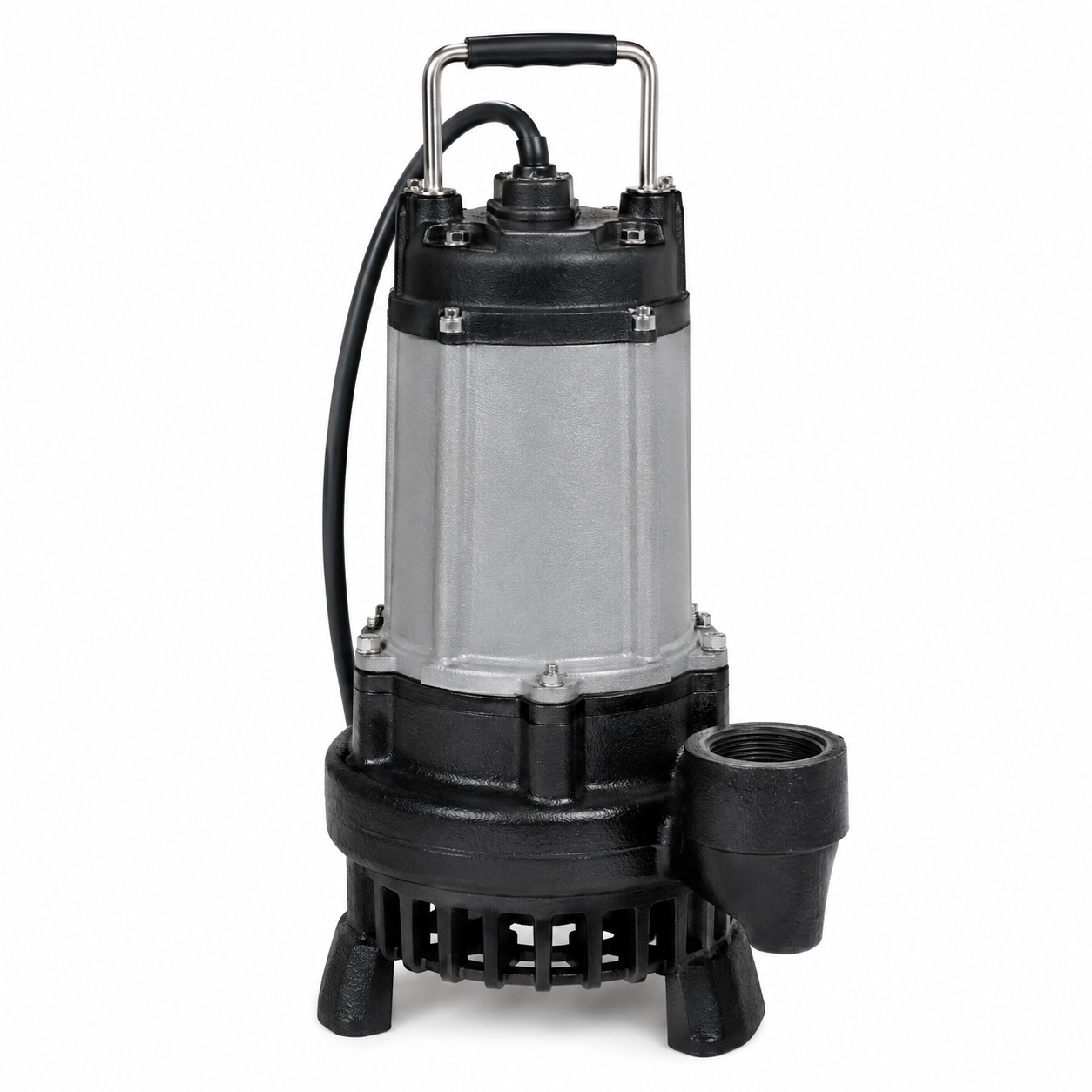
Commercial systems may serve offices, warehouses, apartments, churches, restaurants, and mechanical rooms. Larger properties may use multiple pumps, alarms, or control panels to manage higher water volumes.
A failure can damage equipment, interrupt operations, or make part of the property unusable. Details about the building, basin, incoming water, and existing controls can help identify the appropriate assistance.
Finding the Source of the Water
Installing a stronger pump does not always correct the underlying problem. Water may be entering because of poor grading, clogged gutters, damaged foundation drains, leaking plumbing, a broken water line, or runoff directed toward the building.
A basement pump manages water reaching the basin, but it cannot correct every cause of moisture. Some properties may need plumbing, exterior drainage, waterproofing, foundation, or septic work in addition to pump maintenance.
An evaluation can help determine whether the immediate problem is failed equipment, excessive inflow, a blocked discharge route, or a separate property condition.
Common Problems
Potential issues may include:
- Failed motors
- Stuck or damaged float switches
- Clogged intake screens
- Blocked or frozen discharge pipes
- Failed check valves
- Loose pipe connections
- Sediment inside the basin
- Undersized equipment
- Short cycling
- Power loss
- Failed backup systems
- Incorrect discharge locations
Some problems may be corrected with a targeted fix. Others may require upgraded equipment, piping changes, a larger basin, or assistance from another type of contractor.
What Sump Pump Repair Cannot Fix
A standard fix may not fully correct major foundation leaks, poor grading, damaged perimeter drains, structural cracks, broken water lines, roof runoff near the foundation, mold, or existing water damage. It also will not correct a wastewater backup caused by a septic or sewer problem. The pump may still need attention, but additional work could be required to address the source of the water.
In many cases, pump maintenance is only one part of a larger drainage or waterproofing issue. If groundwater is constantly entering the basement due to hydrostatic pressure or failing exterior drainage systems, even a fully functioning pump may continue to run frequently without solving the underlying cause. Likewise, if gutters are clogged or downspouts are discharging too close to the foundation, water may keep overwhelming the system during storms.
Fixing a water pump also cannot restore materials that have already been damaged by prolonged exposure to moisture. Warped flooring, deteriorated drywall, insulation damage, and mold growth typically require separate remediation or restoration work after the water issue has been controlled.
Additionally, if the discharge line is improperly routed or tied into a failing drainage field, the pump may appear to be working correctly while water simply returns to the same problem area. In these situations, correcting the piping layout or addressing exterior grading is often necessary to achieve a long-term solution.
Stop Searching for "Sump Pump Service Near Me"
Request sump pump installation, repair, or replacement throughout Murfreesboro, Smyrna, La Vergne, Christiana, Lascassas, Rockvale, Eagleville, and surrounding Rutherford County communities.
Whether the pump will not start, the basin keeps overflowing, the discharge line is blocked, or you need backup protection, call 615-603-7839 or submit the contact form to discuss the problem.